How to Infuse a Video Game Villain with Comedic Charm: Lessons from Matt Berry’s Bane in Lego Batman
Introduction
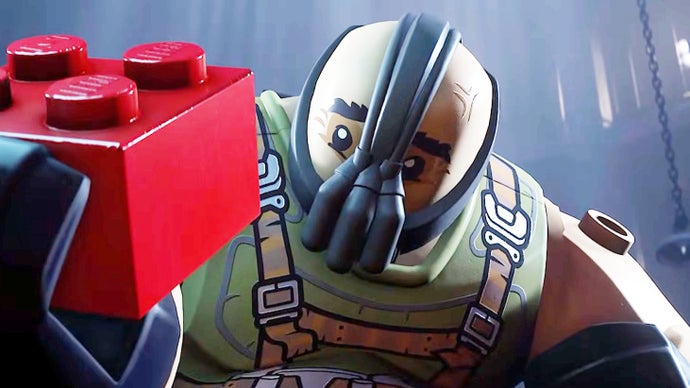
When British comedian Matt Berry stepped into the recording booth for TT Games' Lego Batman: Legacy of the Dark Knight, he didn’t just mimic the gravelly menace of the iconic DC villain Bane. Instead, he collaborated with the development team to craft “lots of fun Bane bits” — mischievous, laugh-out-loud moments that still respect the character’s core. This how-to guide distills Berry’s approach into a step-by-step process you can use whether you’re a voice actor, a game writer, or a hobbyist creating your own audio content. By the end, you’ll know how to layer humor onto a villain without sacrificing intimidation, and your audience will never see Bane—or any antagonist—the same way again.
What You Need
- A character brief or script that outlines the villain’s typical traits (e.g., Bane’s strength, intelligence, and iconic voice)
- Access to a professional or home recording setup (microphone, pop filter, quiet space)
- Voice acting skills or willingness to practice pitch, rhythm, and delivery
- Creative freedom from a director or collaborator to experiment with lines
- A sense of humor — especially one that leans dry, sarcastic, or absurd
- Recording software (e.g., Audacity, Pro Tools) for takes and edits
Step 1: Deconstruct the Villain’s Core Traits
Before adding jokes, you must understand what makes the character threatening. Matt Berry started with Bane’s established lore: a genius-level strategist who uses a venom serum to enhance his strength. Write down three to five key traits—intelligence, physical dominance, controlled rage—and consider how each could be subverted for comedy. For example, Bane’s meticulous planning could become over-the-top precision, like triple-checking a door lock while grunting.
Step 2: Identify Opportunities for Playful Contrast
Comedy often springs from juxtaposition. In Lego Batman, a family-friendly universe, Berry knew the game’s tone allowed for silliness. Look at your villain’s lines and find moments where a straight delivery would be expected, then imagine a twist. Could Bane whisper a punchline? Could he respond to Batman’s threat with a confused “Wait, what?” Mark three to five script lines where you can insert a humorous alternative.
Step 3: Work Collaboratively with Developers and Writers
Berry didn’t go rogue—he collaborated. During sessions, he likely discussed with TT Games’ team which “Bane bits” would land. Schedule a brainstorming meeting with your director or writer. Share recordings of comedic takes, discuss pacing, and agree on which jokes stay in (and which might break character). This step ensures your humor enhances the game, not derails it. Use phrases like “What if Bane mispronounces ‘venom’?” to open the floor.
Step 4: Experiment with Vocal Delivery
Your voice is your primary tool. Berry’s signature style includes a deep, resonant tone that can suddenly shift into a high-pitched, almost frantic register. Practice your villain’s voice, then record three versions of the same line:
- Serious: Menacing and slow.
- Deadpan: Emotionless but with a slightly raised eyebrow.
- Exaggerated: Full theatricality, as if the villain is in a one-man show.
Listen back. The exaggerated version often contains the “fun bits” — but be ready to dial it back if it clashes with the scene’s stakes.
Step 5: Embrace Improvisation in the Booth
Berry is known for improv — he often ad-libs lines that become canon. During your session, after nailing the script, ask for one or two wild takes. Say the line completely differently, add a long pause, or throw in a weird noise (Bane might grunt like a confused bear). The Lego Batman team captured these spur-of-the-moment bits and wove them into the game. Record everything; you can edit later.
Step 6: Layer Comedy onto Action Sequences
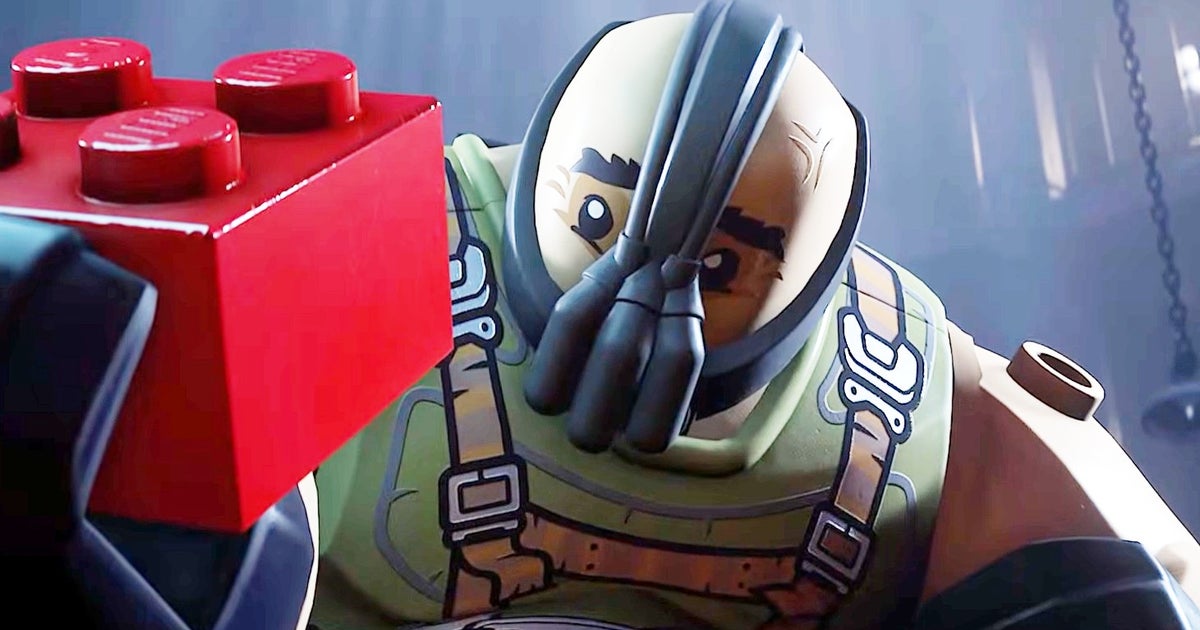
Bane’s “bits” aren’t just in dialogue—they appear during gameplay. Work with animators or level designers to find moments where Bane can perform a funny physical action: slipping on a banana peel, pausing mid-punch to adjust his mask, or delivering a one-liner while throwing a car. Provide audio files of laughter or exaggerated effort for those split-second sound effects. Your comedy becomes part of the player’s experience, not just a cutscene.
Step 7: Test the Comedy with a Target Audience
Before finalizing, play your recordings for a small group (friends, colleagues, or a focus group). Ask them: “Does this make Bane less threatening or more memorable?” Berry’s work succeeded because the humor didn’t undermine the character; it made him more human. If testers say “he’s still scary but funny,” you’ve nailed it. If they say “he’s a joke,” adjust your takes to restore menace.
Step 8: Polish and Integrate
Once you’ve selected the best comedic takes, have audio engineers clean up the tracks—remove background noise, balance volume, and sync with game triggers. For the Lego Batman project, Berry’s “fun bits” were placed in specific puzzle moments and boss battles, creating a rhythm between tension and release. Coordinate with the design team to ensure the humor appears at natural breaks (after a failed attack, during a cutscene lull).
Tips for Success
- Never parody the character entirely. Keep at least 70% of the villain’s original tone. Berry’s Bane still sounds dangerous—he just adds a wink.
- Use silence as a punchline. A pause after an absurd line can be funnier than the line itself.
- Study other comedic villains. Look at how Mark Hamill’s Joker balances menace with laughter, or how James Earl Jones’s Darth Vader can be unintentionally funny in the right context.
- Record multiple versions of the same joke. What feels hilarious at 2 AM might fall flat in the morning.
- Accept that some bits won’t make the cut. Berry likely recorded dozens of “Bane bits” that were left on the floor. That’s okay—the best ones survive.
- Respect the source material. Lego Batman is a parody franchise, but Bane’s core remains intact. If your villain is from a serious IP, check with the rights holders before making him do slapstick.
Conclusion
Matt Berry’s approach to Bane in Lego Batman: Legacy of the Dark Knight proves that comedy can coexist with villainy. By following these steps—deconstructing the character, collaborating, improvising, and polishing—you too can create “lots of fun bits” that players will quote for years. Remember: the goal isn’t to make the villain a clown, but to make him unforgettable. Now grab a mic and start your own mischievous transformation.