SpaceX Achieves Full Static Fire of Upgraded Super Heavy Booster, Paving Way for Next Starship Launch
Introduction
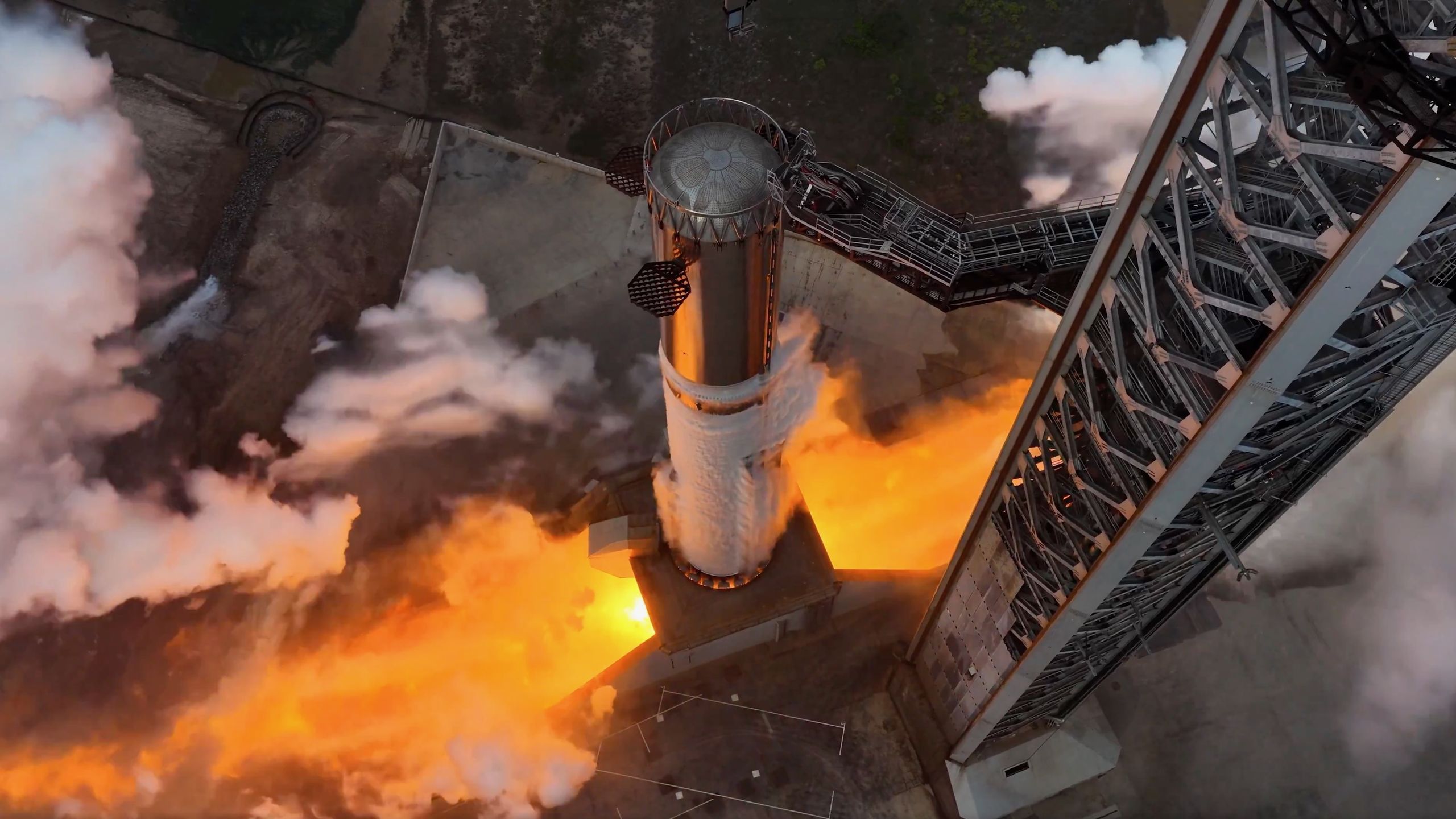
In a dramatic display of raw power, SpaceX has conducted a full static fire test of its upgraded Super Heavy booster, igniting all 33 Raptor engines simultaneously at its Starbase facility in Boca Chica, Texas. This milestone marks a critical step toward the next Starship test flight, moving the vehicle closer to launch readiness.
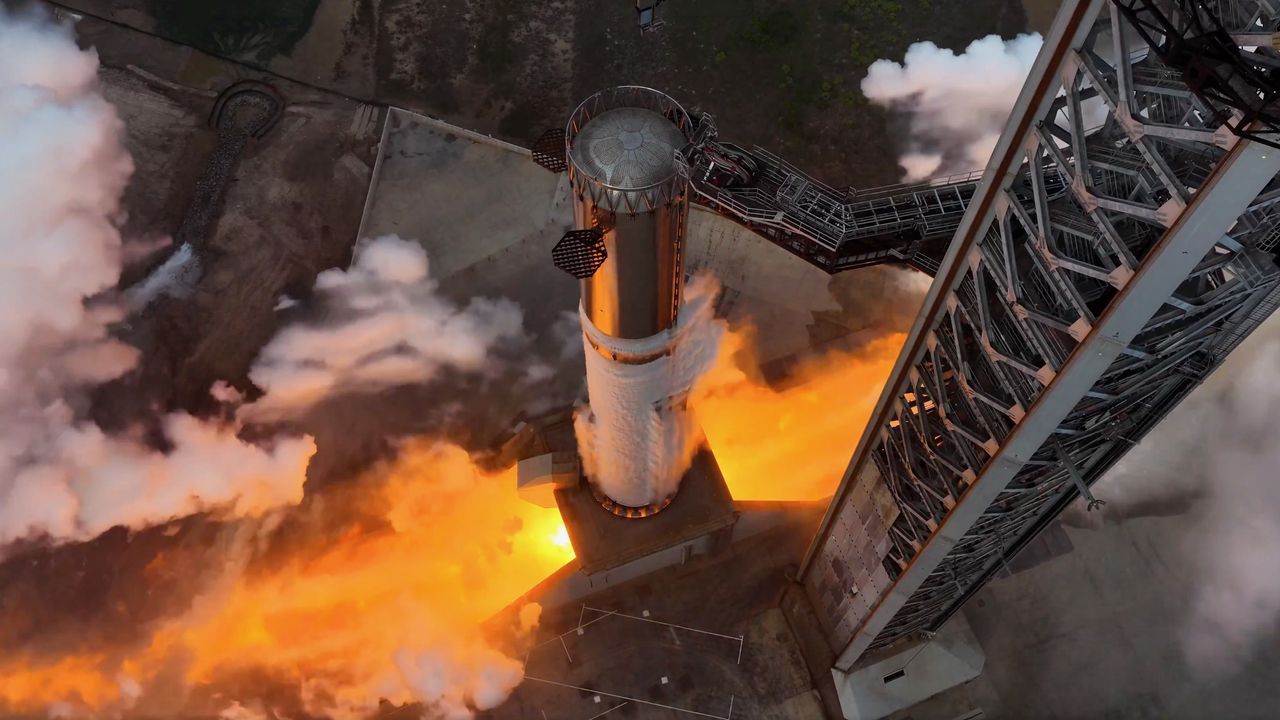
The Static Fire Test
On [approximate date], the aerospace company fired up the first-stage booster, designated as part of the V3 iteration, for a brief but intense burn. The test lasted several seconds, generating an estimated 17 million pounds of thrust—enough to propel the massive rocket system into orbit. This was the first time all 33 engines were lit together on this particular booster, verifying integrated propulsion performance, propellant feed systems, and ground support equipment.
Key Test Parameters
- Engines: 33 Raptor 3 (V3 design) engines
- Duration: Approximately 5–7 seconds (nominal for static fire)
- Location: Orbital Launch Pad A, Starbase, Texas
- Objective: Validate engine startup sequence, throttle control, and structural integrity under thermal and acoustic loads
Significance for the Starship Program
This static fire is a prerequisite for any orbital flight attempt. By clearing the engines for flight, SpaceX moves closer to the next integrated test flight, which could involve a full-stack Starship (Super Heavy + Ship) on a trajectory aiming beyond Earth orbit. The V3 Super Heavy features upgraded engine designs with improved chamber pressure and reliability, essential for rapid reuse and high launch cadence.
The test also demonstrates progress in the company's iterative development philosophy—each flight builds on lessons learned from previous failures. Past flights have revealed issues with engine shutdowns, propellant slosh, and stage separation; each static fire provides data to mitigate those risks.
Timeline for Next Flight
While SpaceX has not announced a specific launch date, industry analysts and internal statements suggest the following timeline:
- Post-test data review (1–2 weeks): Engineers analyze sensor data from the static fire to confirm no anomalies.
- Vehicle preflight checks (2–3 weeks): Stacking of the Starship upper stage onto the Super Heavy booster, followed by final electrical and mechanical checks.
- Regulatory approvals (variable): The Federal Aviation Administration (FAA) must issue an experimental launch license for the specific mission profile. Given the iterative nature, this may be faster than for first flights.
- Launch window (as early as late [next month]): Assuming all goes smoothly, SpaceX targets a window in the coming weeks, pending weather and technical readiness.
Internal milestones, such as completing a wet dress rehearsal and a second static fire (if needed), could further refine the timeline.
Conclusion
SpaceX's successful 33-engine static fire of the upgraded Super Heavy booster solidifies its readiness for another ambitious test flight. As the company continues to iterate rapidly, each test brings the world closer to a fully reusable rocket capable of carrying humans to the Moon, Mars, and beyond. The next few weeks will be critical as engineers finalize preparations and regulatory paperwork. All eyes remain on Starbase for what could be a landmark launch.
Stay updated with the latest coverage on SpaceX missions by following our Starship Program series.