Integrating Electric Trailers into Your Fleet: A Step-by-Step Guide to Reducing Costs and Supporting Grid Stability
Overview
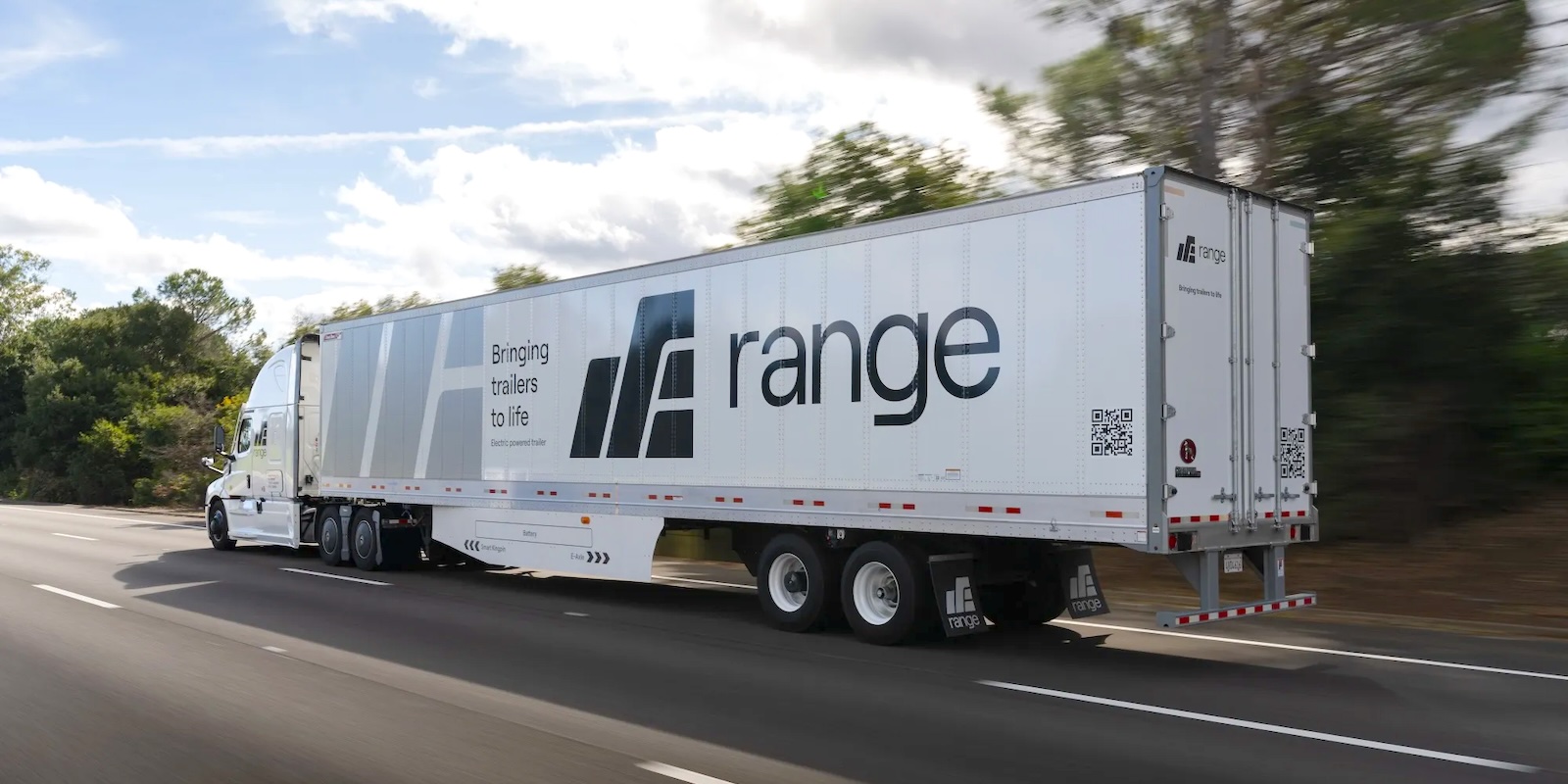
Range Energy's electric trailer technology is transforming freight logistics by offering a way to slash operating costs and support the electrical grid—all without requiring operators to replace their existing trucks. As demonstrated by Vice President of Product Collin MacGregor at ACT Expo 2026, these trailers equip standard tractor-trailer combos with regenerative braking, auxiliary power, and smart energy management. This guide walks you through everything you need to know to adopt this technology, from assessing compatibility to training drivers and maintaining the system.
Prerequisites
Vehicle Compatibility
Your current tractor must have a standard fifth-wheel coupling and electrical connection for trailer lights and brakes. Most Class 8 trucks meet this requirement. No specialized truck is needed—the electric trailer works with diesel, natural gas, or electric tractors.
Charging Infrastructure
You'll need access to a power source capable of delivering Level 2 (240V, up to 80A) or DC fast charging (up to 350 kW). A dedicated charging station at your depot is ideal, but public charging networks can supplement long-haul routes. If you plan to participate in vehicle-to-grid (V2G) services, a bidirectional charger is required.
Training Materials
Ensure you have resources for driver and technician training. Range Energy provides digital manuals and on-site instruction. Familiarity with regenerative braking systems and basic electrical safety is beneficial.
Software & Connectivity
A smartphone or tablet running the Range Energy fleet management app is needed to monitor trailer state of charge, energy flows, and grid participation settings. Cellular or Wi-Fi connectivity is assumed.
Step-by-Step Implementation Guide
Step 1: Evaluate Your Fleet and Routes
Review your current fleet to identify which trailers are best suited for electrification. Look for vehicles that frequently stop and start (e.g., delivery trucks, yard spotters) to maximize regenerative braking benefits. Use route analysis tools to calculate daily mileage and elevation changes; the electric trailer's battery typically supports 50–100 miles of auxiliary power and regenerative assistance. Download the Range Energy compatibility checklist from their portal.
Step 2: Select the Right Electric Trailer Model
Range Energy offers two primary models: the RE-100 (100 kWh battery, ideal for regional routes) and the RE-200 (200 kWh, suited for longer hauls). Configure your order with options like integrated telematics, V2G compatibility, and solar panel add-ons. Consult the product spec sheet for payload capacity; the battery pack adds approximately 1,500–2,500 lbs, so adjust cargo weights accordingly.
Step 3: Install Charging Infrastructure
Work with a certified electrician to install a Level 2 charging station for overnight depot charging, or a DC fast charger if you need to top off during shifts. Ensure the electrical panel can handle the additional load—typically 50–100 amps per trailer. If you want to enable grid support, install a bidirectional inverter and sign up with your local utility's demand response program. Test the connection using the Range Energy commissioning tool.
Step 4: Train Drivers and Technicians
Conduct a half-day training session covering:
- How regenerative braking works and when it’s most effective
- Using the dashboard in the tractor cab to monitor trailer energy
- Emergency procedures—e.g., manual brake override if the electric system fails
- Basic maintenance like checking battery coolant levels and cleaning connectors

Step 5: Optimize Route Planning
Leverage the fleet management app to plan routes that maximize regenerative braking—e.g., incorporating downhill stretches and frequent stops. The app also suggests charging stops when the battery drops below 20%. Adjust your dispatch software to account for the trailer's range limits. Over time, collect data to refine routes for energy efficiency.
Step 6: Implement Maintenance Schedules
Follow Range Energy's recommended service intervals:
- Every 10,000 miles: Inspect wiring harnesses, battery connections, and brake pads (regenerative braking extends conventional brake life).
- Every 30,000 miles: Replace coolant for the battery thermal management system.
- Annual: Full diagnostic using the manufacturer's tool.
Common Mistakes to Avoid
Ignoring Weight Distribution
The electric trailer's battery alters the center of gravity. Always recalculate axle weights and adjust cargo placement to maintain stability. Overloading the front of the trailer can cause unsafe handling.
Assuming Unlimited Range
Despite regenerative braking, the battery's capacity is finite. Plugging in at every opportunity—even for short dwell times—prevents range anxiety. Don’t rely solely on the trailer to move the tractor; the electric motor assists but does not replace the truck's engine.
Neglecting Grid Load Management
When participating in V2G programs, your trailer could be called upon to discharge energy back to the grid at peak times. If the battery is too low, you may compromise your next delivery. Set a minimum state of charge reserve (e.g., 30%) in the app to avoid getting stranded.
Skipping Driver Buy-In
Without proper training, drivers may override the regenerative system or disconnect charging cables prematurely. Emphasize the fuel cost savings and reduced brake wear to motivate adoption. Incentivize drivers with performance bonuses tied to energy recovery metrics.
Summary
Electric trailers from Range Energy let you reduce freight costs and support the grid without buying new trucks. This guide covers prerequisites (compatible tractor, charging station, training), a six-step implementation process (evaluate fleet, select model, install charging, train staff, optimize routes, maintain equipment), and common pitfalls (weight distribution, range planning, grid management, driver engagement). By following these steps, you can start saving on fuel and brake maintenance while contributing to a more stable electrical grid—all with your existing fleet.