FCC Extends Security Update Waivers for Foreign Drones and Routers Through 2029 to Mitigate Cybersecurity Risks
Introduction
The Federal Communications Commission (FCC) has reversed its earlier stance on foreign-made drones, drone components, and routers, now allowing software and firmware updates for these devices until at least 2029. The decision, driven by concerns over cybersecurity and consumer protection, ensures that critical security patches can continue to be applied to equipment that might otherwise be vulnerable to exploitation.
Background of the Waiver Extension
Originally, the FCC had imposed restrictions on covered foreign-produced equipment—specifically those identified as posing national security risks—aimed at limiting their integration into U.S. networks. However, the agency recognized that blocking software updates would inadvertently create new cybersecurity threats. Without ongoing patches, devices would remain exposed to known vulnerabilities, potentially endangering both individual consumers and broader infrastructure.
To address this, the FCC has now extended waivers that permit manufacturers to deliver essential updates. The extension runs through 2029, giving stakeholders ample time to transition to compliant alternatives or establish secure update mechanisms.
Details of the Waiver
Covered Devices
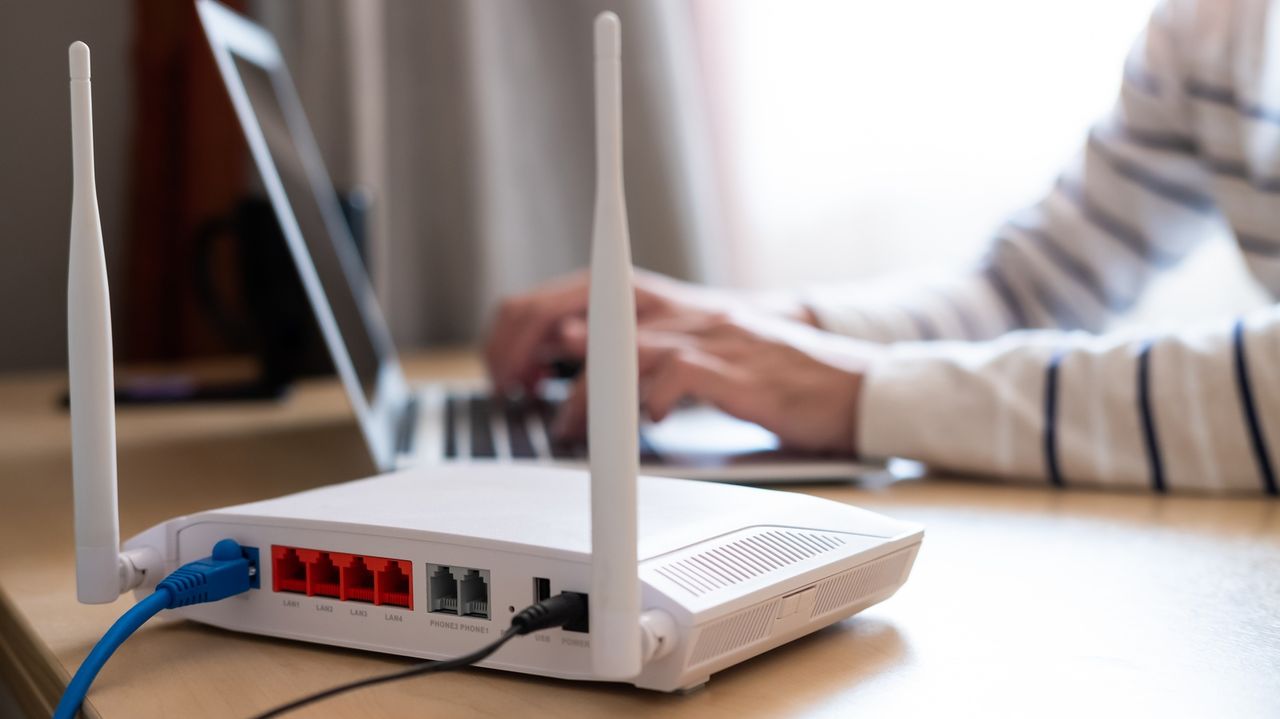
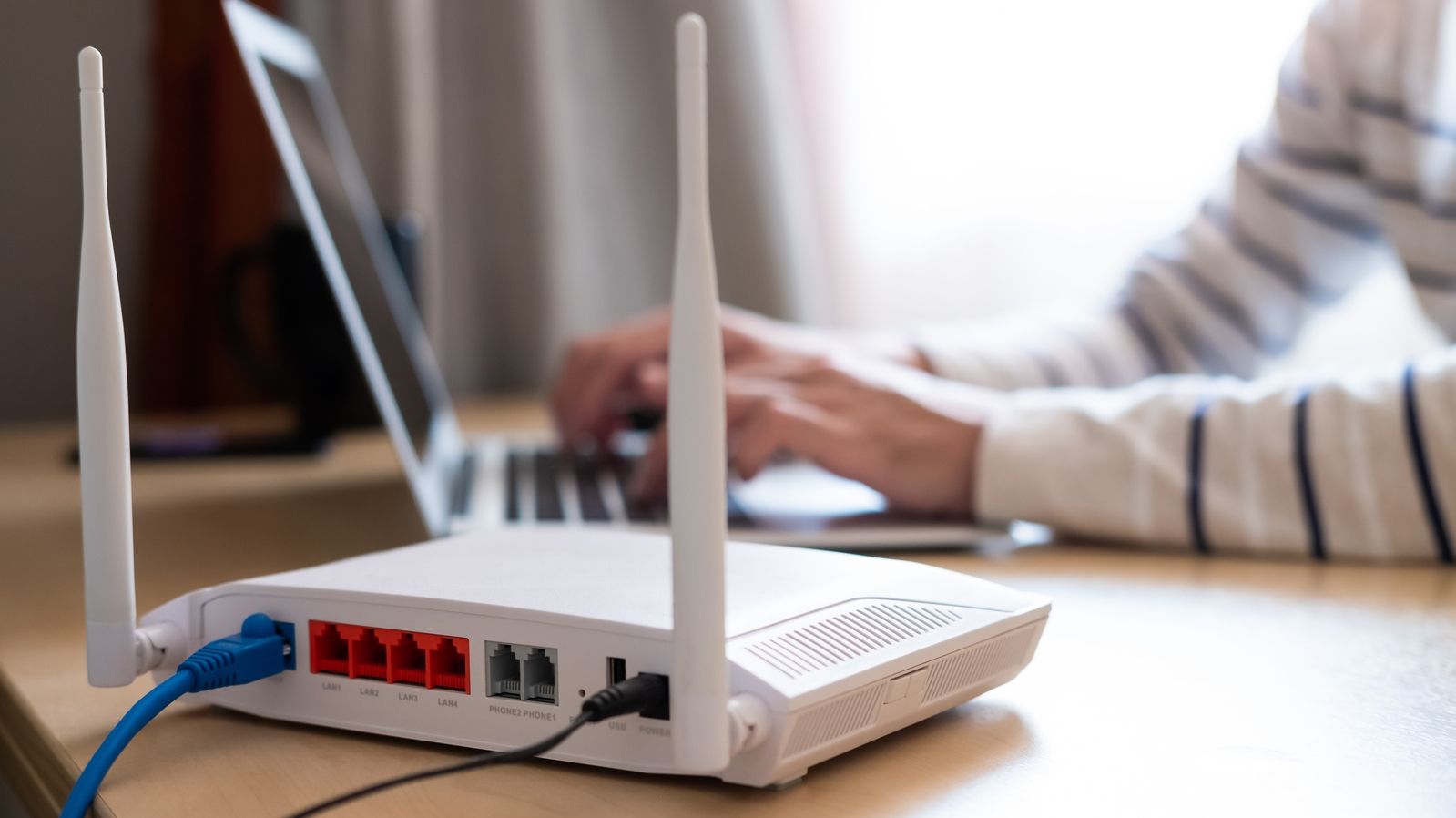
The waivers apply to a range of equipment, including unmanned aerial vehicles (drones) and their components, as well as routers and other networking hardware that are categorized as “covered” under the FCC’s security rules. These are devices produced by foreign entities deemed to pose potential risks.
Update Allowances
Specifically, the waivers permit:
- Software updates to address security vulnerabilities
- Firmware patches to improve device functionality and safety
- Critical bug fixes that otherwise would be blocked by prior restrictions
This applies to both consumer and enterprise-grade equipment already deployed in the U.S.
Timeline
The waiver is effective immediately and will remain in place until at least the end of 2029. The FCC may reassess the situation before that date, but for now, manufacturers can continue supporting devices without interruption.
Why the FCC Changed Course
The agency’s decision is rooted in a careful balancing of national security and cybersecurity. While the original restrictions aimed to limit exposure to foreign surveillance or sabotage, the FCC now acknowledges that denying updates creates a greater risk. Unpatched devices are easy targets for malicious actors, who could exploit known flaws to compromise networks, steal data, or cause operational disruptions.
Consumer protection also played a key role. Many users rely on drones for commercial photography, delivery services, and personal use, while routers are indispensable for home and office connectivity. Without updates, these devices could become unusable or unsafe, harming both consumers and businesses.
Additionally, the FCC noted that a sudden cutoff of updates would cause widespread disruption. By extending the waiver, the agency provides a transition period for the industry to adopt alternative, secure equipment.
Implications for Manufacturers and Users
For Manufacturers
Companies that produce or distribute covered foreign-made equipment can now confidently issue security patches through 2029. This reduces the risk of being forced to halt support and potentially lose market share. However, they should still plan for eventual compliance with the FCC’s long-term rules, which may require shifting production or sourcing from trusted suppliers.
For Consumers and Enterprises
Users of foreign-made drones and routers will continue to receive essential updates, preserving device security and performance. Businesses that rely on fleets of drones for logistics or surveillance should monitor the situation but can operate without immediate concern.
Nevertheless, the FCC advises that consumers consider purchasing equipment from “trusted” manufacturers for new acquisitions, as the waiver is temporary.
Future Outlook
The FCC’s extension signals a pragmatic approach to cybersecurity that balances geopolitical concerns with practical realities. As the 2029 deadline approaches, further extensions or new policies may emerge, especially if global threats evolve. In the meantime, stakeholders are encouraged to stay informed and prepare for a gradual transition away from covered foreign equipment.
The agency also plans to issue additional guidance on how updates should be verified to ensure they are not misused for espionage or data theft.
Conclusion
By allowing software updates for foreign-made drones and routers until 2029, the FCC has taken a necessary step to protect cybersecurity while maintaining existing device functionality. Although the underlying security concerns remain, this waiver ensures that users are not left vulnerable to attacks that could have been easily prevented. The decision reflects a mature understanding that blanket bans on updates can do more harm than good.