New Insights: Solar Farms as a Tool for Ecological Restoration
Recent research has shed light on an unexpected benefit of solar farms: their ability to restore degraded land while generating clean energy. The study highlights how photovoltaic installations can act as environmental shields, reducing wind erosion, moderating surface temperatures, and enhancing soil moisture. Below, we explore the key findings and implications through a series of questions and answers.
1. How do solar farms contribute to land regeneration?
Solar farms can actively regenerate degraded or depleted land by creating a microclimate that mitigates harsh environmental conditions. The panels provide shelter from strong winds, which reduces soil erosion and prevents further degradation. Additionally, the shade from solar arrays lowers surface temperatures, decreasing evaporation rates and retaining more moisture in the ground. This combination of wind protection and temperature moderation helps restore soil health over time, allowing native vegetation to re-establish. The study demonstrates that these effects can transform barren or overgrazed areas into productive ecosystems without compromising energy generation.

2. What specific environmental benefits were measured in the study?
Researchers observed significant improvements in three key areas: wind speed reduction, surface temperature decrease, and soil moisture increase. The solar panels acted as windbreaks, reducing average wind speeds by up to 20% near the ground. Surface temperatures under the panels were consistently 2-4°C lower than adjacent exposed areas. This cooling effect helped retain soil moisture, with measurements showing up to 15% higher water content in the soil beneath the arrays. These conditions promoted seed germination and plant growth, illustrating the regenerative potential of solar farms.
3. Why is this finding important for renewable energy development?
This discovery addresses a common criticism about solar farms: that they require large tracts of land that could otherwise be used for agriculture or conservation. By demonstrating that solar installations can actually improve land quality, the study turns a perceived drawback into an advantage. It suggests that solar farms can be strategically placed on degraded or marginal lands to simultaneously produce energy and restore ecosystems. This dual benefit supports broader adoption of solar energy while mitigating concerns about land-use conflicts. Policymakers and developers now have evidence that solar farms can play a role in combating desertification and soil degradation.
4. How does this affect soil moisture levels?
Soil moisture is a critical factor for land regeneration, and the study shows solar farms boost it through two mechanisms. First, the reduced wind slows evaporation, so water stays in the soil longer. Second, the lower surface temperatures decrease the drying effect of direct sunlight. According to the research, soil moisture levels under solar panels were consistently higher than in nearby open areas, especially during dry periods. This moisture retention is vital for seed germination and supporting microbial activity, both of which are essential for rebuilding healthy soil ecosystems. The effect is most pronounced in arid or semi-arid regions where water scarcity limits natural recovery.
5. Can solar farms be designed to maximize land regeneration?
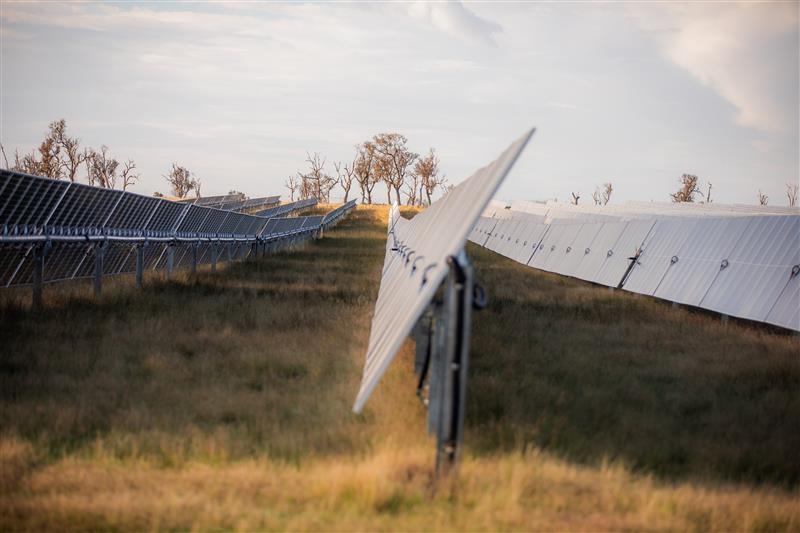
Yes, the study suggests that thoughtful design can enhance regenerative effects. For instance, adjusting panel height and spacing can optimize wind protection and shade distribution. Integrating native grasses or pollinator-friendly plants between rows can further stabilize soil and support biodiversity. Some developers are experimenting with agrivoltaics, where crops are grown under taller panels, but the principles also apply to degraded land. By aligning panel orientation and tilting to match local climate conditions, solar farms can become active restoration tools rather than passive energy infrastructure. However, more research is needed to determine best practices for different ecosystems.
6. What are the broader implications for climate and sustainability?
This study highlights a synergy between renewable energy and ecological restoration that could accelerate progress toward climate goals. By pairing solar farms with land regeneration, we can offset carbon emissions while simultaneously increasing carbon sequestration in soils and vegetation. Healthy soils store more carbon, creating a positive feedback loop. Additionally, restored land can support local biodiversity and reduce pressure on natural habitats. The findings encourage policymakers to consider dual-purpose land-use strategies, where solar installations are part of a broader green infrastructure plan. This approach could help meet energy targets without sacrificing environmental quality.
7. Where can I find the full study or more details?
The research was originally reported by Renew Economy and is based on data collected from multiple solar farm sites. For in-depth reading, you can access the study through academic databases or contact the lead authors. The key takeaway is that solar farms offer significant land regeneration benefits beyond energy production. As the technology evolves, we can expect more studies to refine the design principles and quantify long-term impacts. For now, this research provides a strong foundation for viewing solar farms as multifunctional infrastructure.