How Apple Secured Animato's Avatar Technology: A Strategic How-To Guide
Introduction
In early 2026, Apple quietly completed a structured acqui-hire of Animato, a California-based startup specializing in real-time virtual avatars for video chats and language tutoring. This strategic move, filed under the EU's Digital Markets Act, allowed Apple to hire key employees, license valuable intellectual property, and acquire patent applications—all without a traditional acquisition. Below is a step-by-step breakdown of how Apple executed this deal, offering a masterclass in technology acquisition without buying the company outright.
What You Need
To replicate a similar structured acqui-hire, you'll need:
- A target company with complementary technology (e.g., virtual avatars, AI chatbots)
- Legal expertise in regulatory filings (e.g., EU Digital Markets Act)
- Ability to make non-exclusive intellectual property licenses
- Patent applications worth acquiring from the target
- Employment offers for key personnel (especially founders)
- Existing product lines that can integrate the acquired technology
Step-by-Step Process
Step 1: Identify a Target with Proven Technology
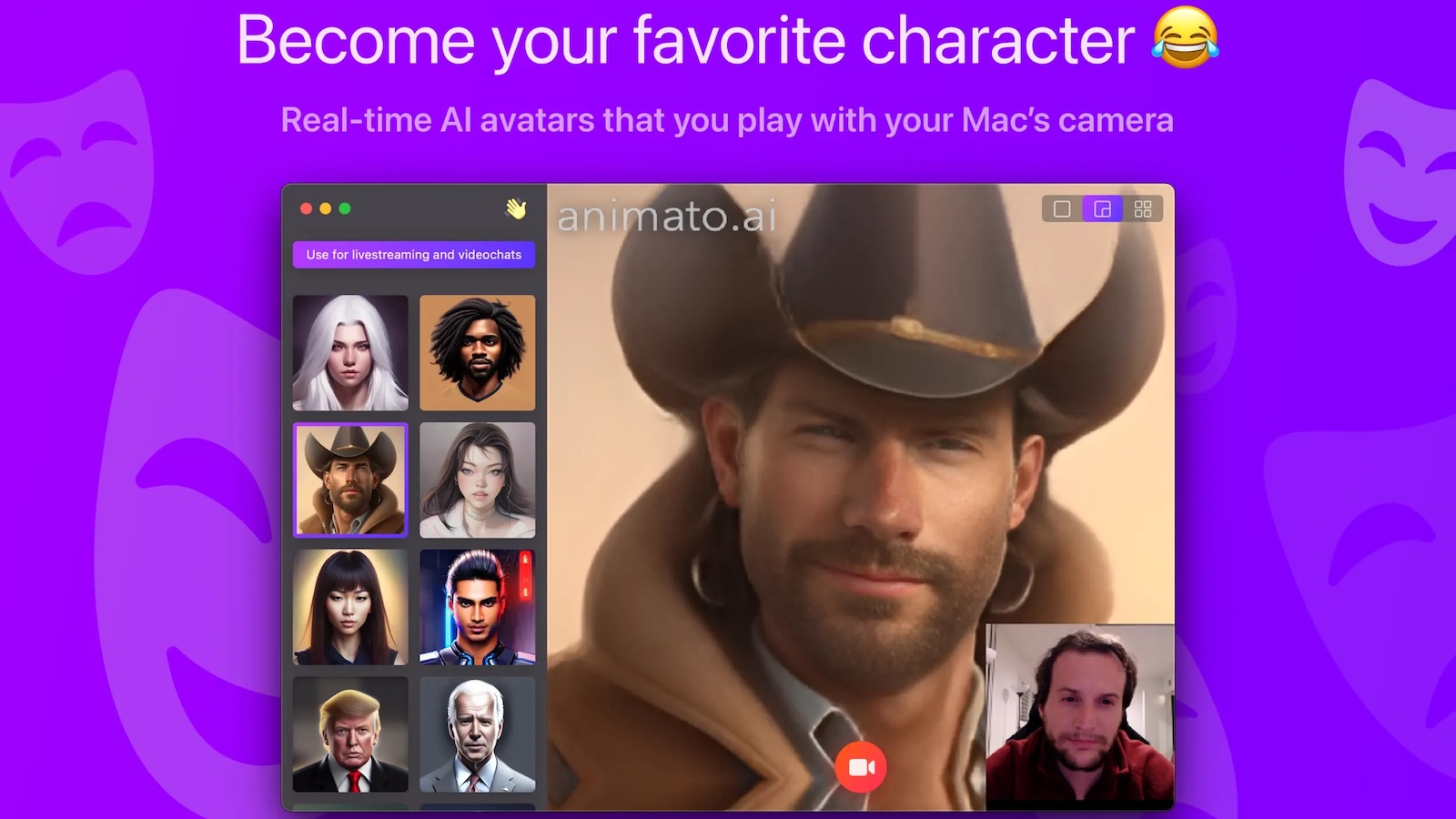
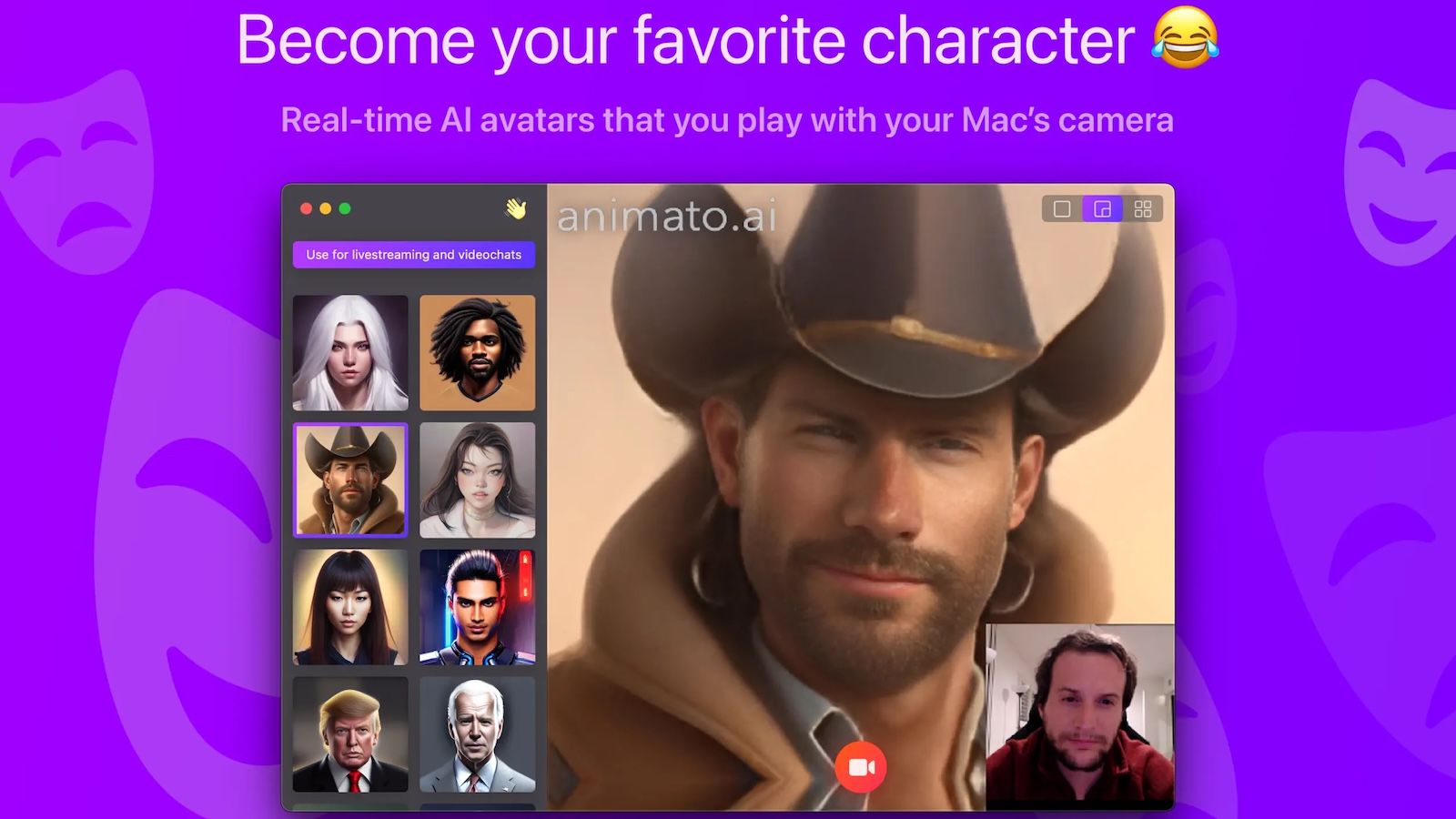
Apple scanned the avatar landscape for startups with a working product and strong IP. They zeroed in on Animato, founded in October 2022 by Francesco Rossi—a former Apple employee of seven years. Animato's flagship app, Call Annie (launched April 2023), gave ChatGPT a real-time animated avatar face, allowing video-style conversations. The startup later expanded into language learning with avatar tutors for seven languages, and released Animato Studio, a macOS virtual camera that turned users into fantasy characters during calls. This diversified portfolio made Animato an ideal candidate.
Step 2: Initiate a Structured Acqui-Hire Agreement
Rather than a full buyout, Apple pursued a structured acqui-hire. This arrangement gave Apple the right to make employment offers to certain Animato employees and receive a non-exclusive license to the company's IP, while also acquiring its patent applications. This minimized upfront cash outlay and avoided the regulatory complexity of a full merger. The deal was filed in January 2026 under the EU's Digital Markets Act, signaling Apple's compliance with competition rules.
Step 3: Leverage Regulatory Frameworks
Apple filed the acquisition under the EU's Digital Markets Act (DMA), which requires large platforms to report certain deals to regulators. By using a structured acqui-hire classified as a technology and IP transaction, Apple navigated antitrust scrutiny while still securing what it needed. This step is critical for any global firm acquiring assets from smaller players.
Step 4: Hire Key Talent, Especially Founders
A core goal of the deal was to bring Animato's founder, Francesco Rossi, and his team back into Apple's fold. Rossi had spent seven years at Apple before leaving to start Animato. By offering employment to select employees, Apple regained his expertise in avatar development and AI interaction. The company also retained the rest of Animato's workforce necessary for ongoing innovation.
Step 5: License Intellectual Property Non-Exclusively
Apple obtained a non-exclusive license to all of Animato's intellectual property. This means Apple can use the technology—such as real-time avatar rendering and AI chat integration—but Animato retains rights to license it to others. This arrangement is less risky than an exclusive license and may avoid monopolistic concerns. It's a smart move when you want the tech without locking out potential future partners.
Step 6: Acquire Patent Applications
Beyond the license, Apple acquired all of Animato's patent applications. This gave Apple ownership of pending patents covering key innovations in virtual avatars, lip-syncing, and AI-driven tutoring. Owning the patent pipeline ensures Apple can defend its technology and potentially block competitors from using similar methods.
Step 7: Discontinue Competing Products
After the deal closed, Apple removed Animato's apps from the App Store. Call Annie and Animato Studio listings were taken down, and the official Call Annie website announced discontinuation. This step eliminated direct competition with Apple's own avatar products—Memoji on iPhone and the Personas feature on Apple Vision Pro—while allowing Apple to absorb the user base into its ecosystem.
Step 8: Integrate into Existing Products
Apple already offered Memoji for playful avatars and Personas for realistic digital representations on its mixed-reality headset. Acquiring Animato's technology likely enhanced these features, adding more expressive animations and language tutoring capabilities. The integration can occur across FaceTime, Messages, and Vision Pro apps, offering users richer interactive experiences.
Tips for Success
- Act quietly: Apple's deal was only spotted in a European Commission filing. Avoid publicizing negotiations to prevent competing bids.
- Leverage existing relationships: Hiring a former employee (Rossi) who knows your culture eases integration.
- Consider previous acquisitions: Apple had already acquired TrueMeeting's avatar tech in January 2025. Stack complementary assets for a stronger portfolio.
- Use non-exclusive licenses wisely: They reduce antitrust risks and allow flexibility.
- Discontinue redundant apps: Remove independent offerings to funnel users to your own platform.
- Document everything for regulators: Filing under the DMA ensures compliance and avoids fines.
This how-to illustrates Apple's strategic finesse in acquiring talent and technology without a full takeover. By following these steps, companies can bolster their competitive position while minimizing costs and legal hurdles.