A Step-by-Step Guide to Understanding Neanderthal Brain Size and Cognition
Introduction
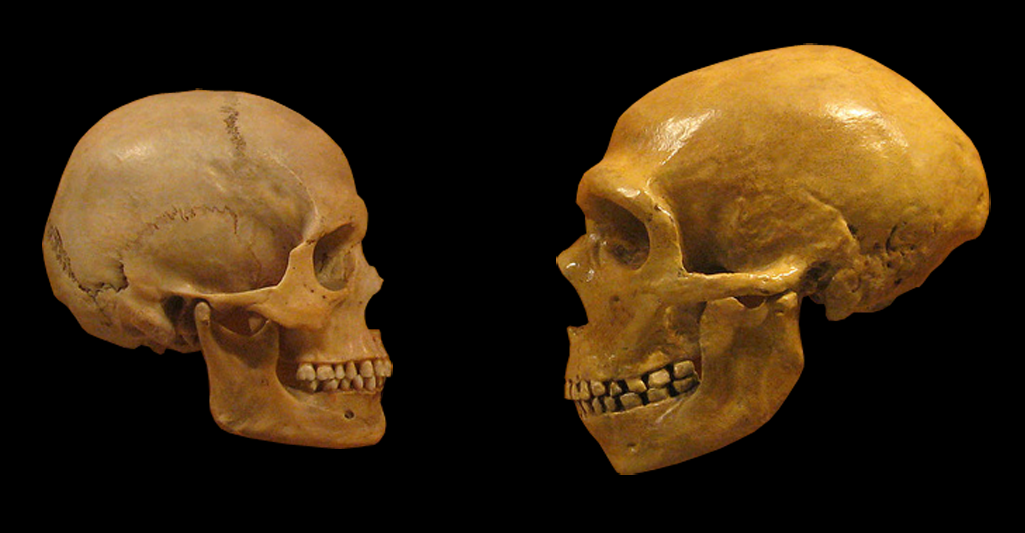
For decades, scientists have debated how Neanderthal brains compare to our own. While skull shapes differ—Neanderthals had lower, longer craniums compared to the rounder ones of modern humans—new research suggests these external differences may not reflect major cognitive disparities. This guide walks you through the evidence, from endocast analysis to MRI comparisons, showing that brain size variation among modern humans actually exceeds that between Neanderthals and our ancestors. The takeaway: brain size is a poor predictor of intelligence, and Neanderthals were likely much smarter than once thought. Follow the steps below to reconstruct the scientific process.
What You Need
- Access to comparative anatomy resources (images of Neanderthal and Homo sapiens skulls)
- MRI scan data from modern human brains (or published datasets)
- Endocasts of Neanderthal and Pleistocene Homo sapiens skulls (physical or high-resolution digital models)
- Understanding of statistical methods for measuring variation
- Archaeological records detailing Neanderthal tool use, culture, and lifestyle
- Open mind ready to challenge assumptions about cognitive superiority
Step-by-Step Process
Step 1: Examine Skull Morphology Differences
Start by comparing Neanderthal and modern human skulls. Neanderthal skulls are elongated and low-vaulted, while ours are more globular. Note the prominent brow ridges and larger nasal cavities in Neanderthals. These shape differences have long fueled speculation about brain structure differences. However, skull shape does not directly dictate brain organization—it merely hints at possible variations.
Step 2: Understand How Endocasts Are Created
After death, the inner surface of the skull retains an impression of the brain. By filling the cranial cavity with resin or using CT scanning, researchers create an endocast—a model showing the brain's outer contours. Some natural endocasts occur when sediment hardens inside the skull, like the 2.8-million-year-old Australopithecus africanus child specimen. These models allow direct comparison of overall brain shape and size across species.
Step 3: Compare Endocasts with Modern MRI Scans
In a landmark study, scientists used MRI scans of hundreds of modern humans alongside endocasts from Neanderthal and early Homo sapiens fossils. They measured the volume and shape of each specimen. The key was to use consistent methods: all endocasts were digitized and aligned using anatomical landmarks. The resulting dataset allowed direct statistical comparison.
Step 4: Analyze Variation in Brain Size
The study revealed a surprising finding: brain size varies more among modern humans than between Neanderthals and Pleistocene Homo sapiens. In other words, a Neanderthal brain would fall well within the range of modern human brain sizes when accounting for normal variation. This undermines the idea that Neanderthals had distinctly larger or smaller brains.
Step 5: Consider What Brain Size Actually Tells Us
Brain size alone is a terrible predictor of cognitive ability, as shown by modern examples (e.g., Einstein's brain was average-sized). Larger brains do not automatically mean higher intelligence; organization, wiring, and regional specialization matter far more. Therefore, differences in gross brain size between Neanderthals and modern humans cannot be used to claim cognitive inferiority.

Step 6: Weigh the Archaeological Evidence
Neanderthal remains show sophisticated hunting strategies, use of fire, burial practices, and even symbolic art. Some sites suggest they cared for injured group members. These behaviors align with the cognitive capacities implied by their brain size. If Neanderthals were not less intelligent, then our species likely did not outcompete them by being smarter or more adaptable. Instead, other factors like population dynamics, disease, or climate may have played a role.
Step 7: Synthesize the Conclusion
Combine all lines of evidence: skull shape ≠ brain function; brain size variation is greater within modern humans; brain size does not equal intelligence; and Neanderthal behavior indicates complex cognition. The synthesis is clear: Neanderthals were cognitively similar to us, and the narrative of superior modern humans replacing them is overly simplistic.
Tips for Accurate Interpretation
- Don't judge a brain by its cover. Skull shape is driven by many factors (e.g., diet, biomechanics) unrelated to intelligence.
- Use multiple metrics. Brain volume alone is insufficient; look at endocast asymmetry, sulcal patterns, and region sizes.
- Cross-check with archaeology. What a species actually did is more telling than what their brain size suggests.
- Be wary of confirmation bias. The desire to see humans as unique can skew interpretation of Neanderthal capabilities.
- Remember sample size. Fossil endocasts are rare; conclusions rely on small numbers and should be treated as provisional.
- Context matters. Neanderthals lived in harsh Ice Age environments that demanded different cognitive skills than modern life.
By following these steps and tips, you'll have a robust understanding of how modern science compares Neanderthal and human brains—and why the similarities are more striking than the differences.